
The Detailed Program
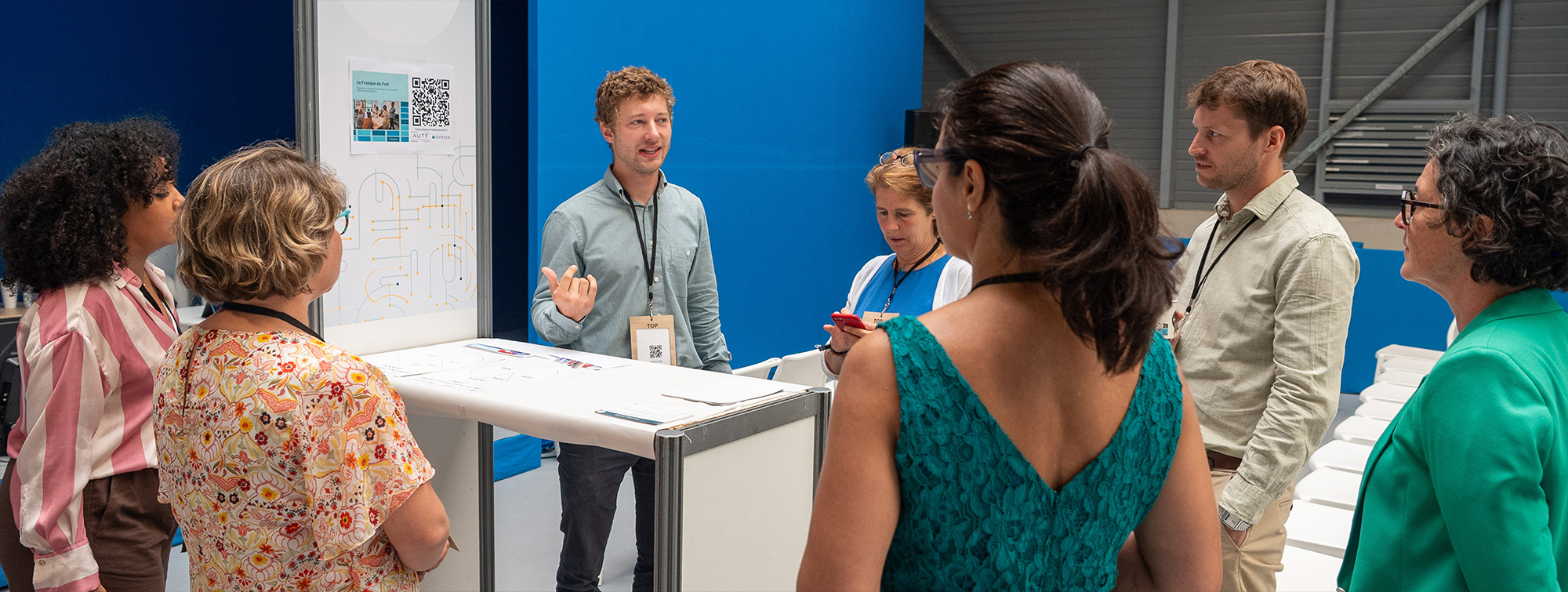
Learn from leaders in transport and logistics at the conferences and workshops organised by Top Transport SMarseille. Discuss innovative solutions!

Decarbonizing Road Freight Transport: How Are Shippers Tackling This Challenge?
Amid the climate emergency, geopolitical tensions, increased regulatory pressure, and the need to remain competitive, the decarbonization of road freight transport has now emerged as a major challenge for shippers. Where do they really stand: How are they managing their decarbonization path? What investments are they making? What obstacles must they overcome, and what collaborations are they establishing with their carrier partners? To answer these questions, the AUTF will unveil the results of its survey on the decarbonization of road freight during a panel discussion with several shippers. This will be a unique opportunity to exchange insights, share experiences, identify drivers of decarbonization, and shed light on the sector’s future prospects.
Switching to Hydrogen: TEAL Mobility, Europe's Leading Network of Hydrogen Refueling Stations for Trucks
Learn how TEAL Mobility’s European network of hydrogen refueling stations is supporting the development of carbon-free road transportation. This workshop will present the current location of the stations, strategic corridors, interoperable access and payment solutions, as well as prospects for deployment across Europe to facilitate the day-to-day operation of hydrogen fleets.
The Detailed Program - Top Transport Marseille
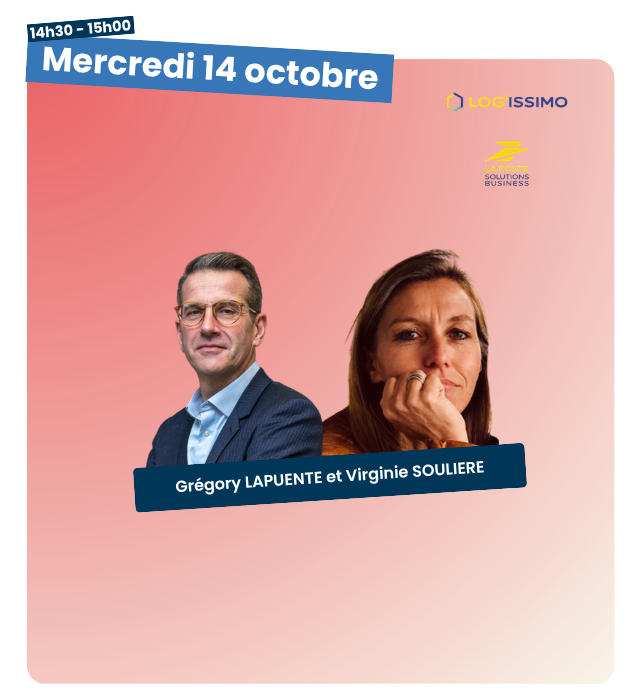
Decarbonizing Without Additional Costs: How Are Jules and Log’issimo Transforming Their Business Models While Creating Value?
What if decarbonization weren’t a constraint, but a driver of performance? Faced with growing demands to reduce their environmental footprint, some companies are choosing to fundamentally transform their business models rather than simply adding costs. Jules and Log’issimo will share their experiences, guided by a shared conviction: rethinking organizational structures makes it possible to reduce emissions while improving service quality. Learn how these two mission-driven companies create value by balancing decarbonization, service quality, and social responsibility.

The Future of the Mediterranean-Rhône-Saône Corridor: Can Inland Waterways Turn Marseille-Fos into a Low-Carbon Logistics Corridor?
The Rhône is already there. So are the quays, locks, port facilities, and industrial connections. Yet river transport still plays only a marginal role in the movement of goods along the Mediterranean–Rhône–Saône corridor. Submitted to Transportation Minister Philippe Tabarot, Augustin de Romanet’s report brings this issue back into the spotlight. His conclusion is clear: the Mediterranean–Rhône–Saône corridor represents a strategic route for France’s industrial, logistics, and energy sectors. It connects Marseille-Fos, the Rhône Valley, Lyon, the Saône, and major European economic regions. Yet it remains underutilized, even though river transport offers a more fuel-efficient, higher-volume, and lower-emission alternative to road transport. How can the Rhône be transformed into a true low-carbon logistics highway? How can Marseille-Fos be better connected to its industrial hinterland? How can we convince shippers, exporters, and carriers to shift part of their freight traffic to the river? And what governance structure should be put in place to coordinate the port, the river, rail, logistics hubs, manufacturers, and local regions? This roundtable discussion will address a very concrete challenge: moving beyond mere talk of modal shift to practical solutions for businesses.
In the current climate, how can we maintain a win-win relationship?
What makes a good shipper, from a carrier’s perspective? What makes a good carrier, from a shipper’s perspective? Tensions are rising between shippers and carriers. Cost-cutting versus very low margins, expectations for flexibility versus the need for consistency, and the risk of a wait-and-see approach to CSR issues. Panzani will share its expectations of its carriers, and Transalliance will share its expectations of its shipper clients. A lively discussion moderated and analyzed by Socratiz. The goal: to identify what builds or undermines a long-term shipper-carrier relationship, and to identify concrete ways to bring the two parties closer together.
Transportation companies facing structural changes: how can they reinvent their business without losing their way?
Attracting, retaining, and managing teams. Achieving a successful energy transition despite uncertainties. Coping with a series of crises (inflation, geopolitics, regulation, the economy). What role should professional organizations play in this transformation?

Fleet Electrification: From Theory to Operational and Financial Reality
Fleet Electrification: From Theory to Operational and Financial Reality. To do so, we will draw in particular on the insights from two of our recent publications that you may have come across: “What Technologies for Tomorrow’s Long-Haul Trucks?” and “Electric Trucks: Crossing the Operational Threshold.” Objective: to provide an overview of the current state of various powertrain technologies, highlight the dominant role that electric powertrains are set to play, and, above all, analyze the barriers and drivers to their deployment—including the relationship between shippers and suppliers.